Iranian apples are popular in many international markets because they combine good eating quality, large production volumes, and competitive pricing.
Key Reasons for Their Popularity
1. Favorable Growing Conditions
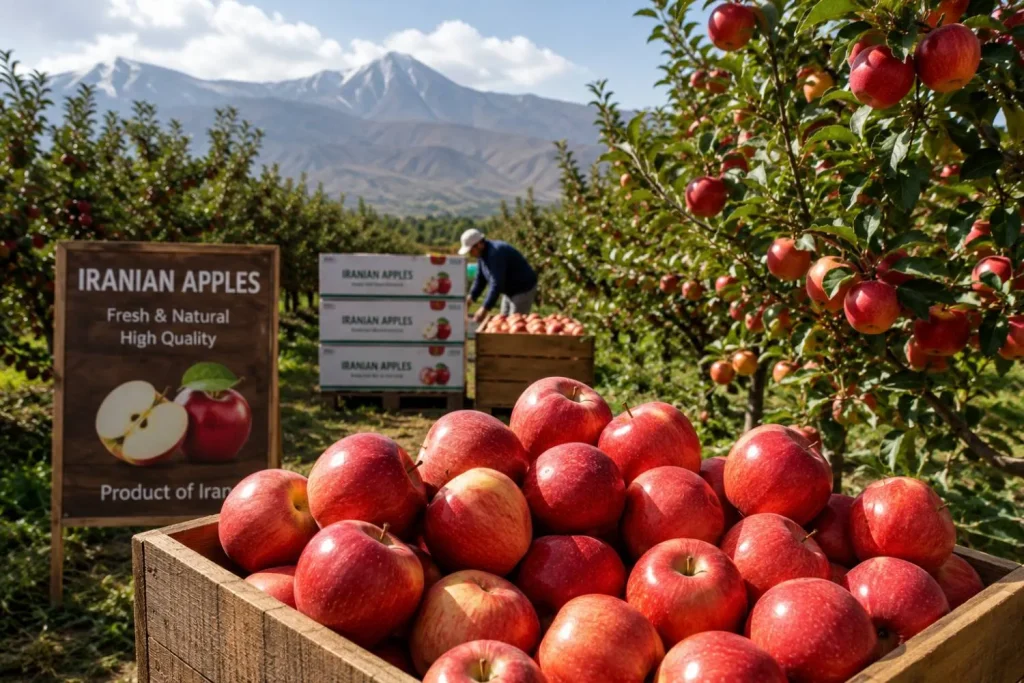
Iran’s apple-growing regions benefit from high altitudes, cool nights, sunny days, and fertile soils. These conditions help produce apples with:
Higher natural sweetness
Attractive color development
Firm texture
Strong aroma and flavor
2. Competitive Prices
Production costs in Iran are generally lower than in many competing apple-exporting countries. This allows exporters to offer apples at attractive prices while maintaining acceptable quality, making them especially appealing in price-sensitive markets.
3. Large and Reliable Supply
Iran is among the world’s major apple producers, harvesting millions of tons annually. Its extensive orchard area enables exporters to supply large quantities consistently throughout the year.
4. Long Shelf Life and Export Suitability
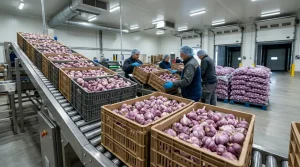
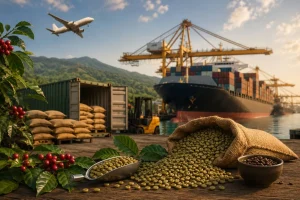
Many Iranian apple varieties store well in cold storage and tolerate long-distance transportation. This makes them suitable for export to markets across Asia, the Middle East, and beyond.
5. Variety Selection
Iran grows several internationally recognized varieties, including:
Red Delicious
Golden Delicious
Gala
Fuji
Granny Smith
This variety allows exporters to meet different consumer preferences and market requirements.
6. Strong Demand in Regional Markets
Iranian apples have established trade relationships with countries such as India, Russia, Iraq, the United Arab Emirates, and other Gulf and Central Asian markets. Buyers often value them as a balance between quality and affordability.
Summary
The global popularity of Iranian apples comes from a combination of:
Favorable climate and growing conditions
Sweet taste and attractive appearance
Competitive export prices
Large production capacity
Good storage and transportation characteristics
Availability of multiple apple varieties
These factors help Iranian apples compete effectively in international fruit markets.